During weeks 6 and 7, we moved from the planning phase into actual game development. I started working in Unity with the few assets we currently had ready, which were the ‘Air’ and ‘Earth’ characters. Even though we don’t have the full roster of characters yet, getting these first two imported into the engine was an important step. It allowed me to start getting a feel for how the assets look and scale within the project, which helps me prepare for when the rest of the art is finished by the team.
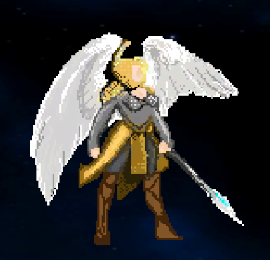
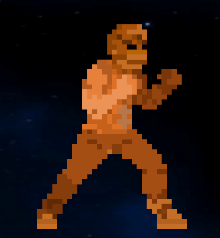
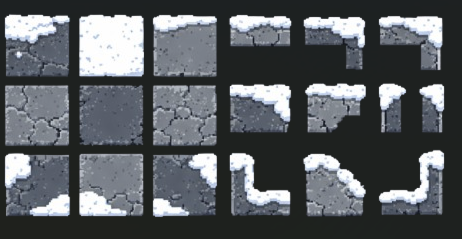
Alongside character implementation, I finished watching the remaining tilemap tutorials and began constructing our first arena. I haven’t managed to get the game fully playable just yet, but I successfully got the tilemap system working and laid out within the scene. To help with the environment design, I used an AI tool to generate a specific tile style based on a reference image I found online. I didn’t use the AI output exactly as it was; instead, I made my own manual tweaks and adjustments to ensure the textures actually suited our game’s visual style. This was a very helpful way to prototype the arena quickly while still keeping creative control over how it looks.

As development progressed, I realised that starting this phase a bit later than planned meant we wouldn’t have a fully working model ready by the Monday of week 8. Recognising that we were falling behind our own schedule, I reached out to the professor to ask if we could present a week later so we would have a proper build to show. By sheer luck, it turned out we were already rostered to present in week 9 anyway. While the timing worked out perfectly for us in the end, this situation was a great lesson in time management and the importance of communicating delays early. We are now using this time to focus on getting the build as presentable as possible for our week 9 slot.